New Septic Systems in Pickens County
Septic Installation in Jasper, GA
Building or replacing a septic system? Request a local installation estimate. Get a Free Estimate
New Septic Systems in Pickens County
Building or replacing a septic system? Request a local installation estimate. Get a Free Estimate
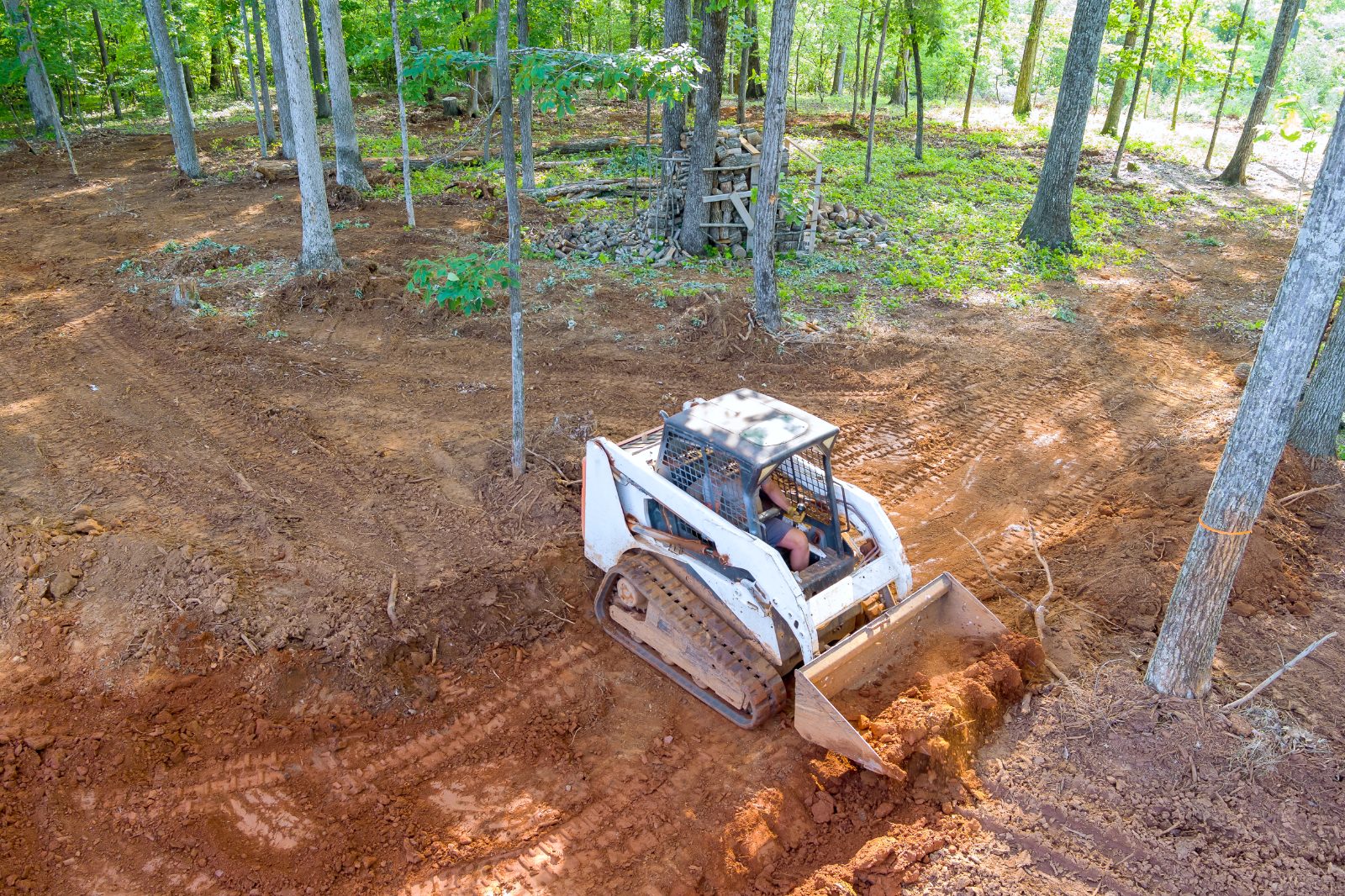
Installing a septic system is one of the most important parts of preparing a property for a new home. If you're building in Jasper or elsewhere in Pickens County, you'll need to know whether your land can support a septic system, what type of system is appropriate, and what permits are required before construction begins.
Septic Installation Jasper GA helps connect property owners with licensed local septic installers who can evaluate their land and explain the next steps. We do not perform installations ourselves. The independent installer handles the actual site work, system design coordination, permitting, and construction according to the project requirements.
Mountain slopes, rocky red clay, limited soil depth, and nearby waterways can make septic installation more complicated than it first appears. Starting with a professional site evaluation helps you understand these conditions before committing to a system design.
## Planning the Right Septic System A septic system collects wastewater from the home, separates solids in a buried tank, and directs liquid wastewater into a treatment and dispersal area. The drain field relies on suitable soil to help treat wastewater before it reaches groundwater. The right system depends on the property, not just the homeowner's preference. A conventional gravity system may work on one lot, while a nearby hillside property could need a pump, specialized drain field, or advanced treatment system. ## Why Site Conditions Matter Pickens County includes steep mountain terrain, clay soils, wooded lots, and properties near lakes and streams. These conditions can influence excavation, system placement, drain field design, and permitting. A professional should review the lot before anyone promises a particular system or price.
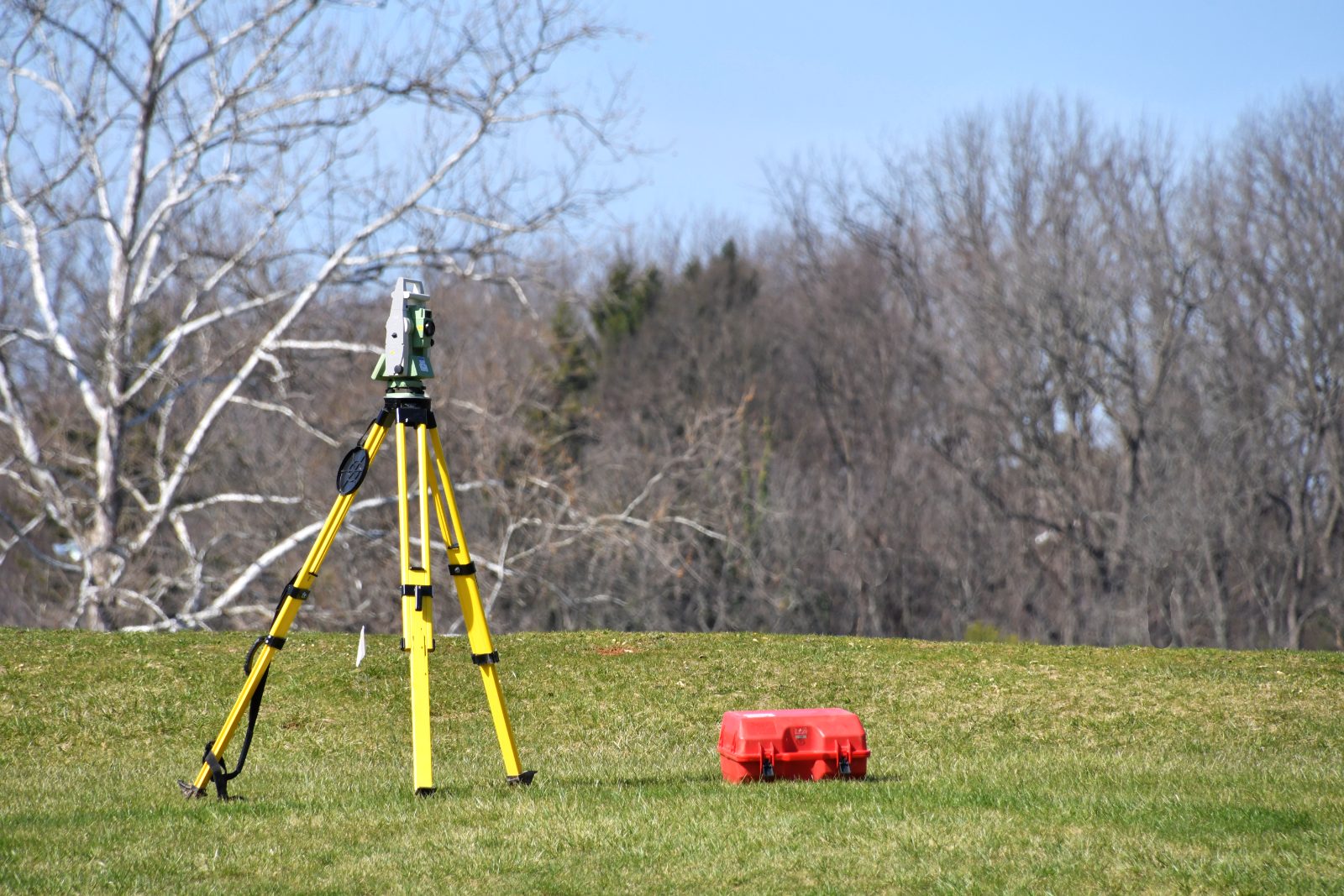
The process begins by examining the property. A qualified professional evaluates the slope, available space, soil characteristics, drainage conditions, and other site limitations. Soil testing helps determine whether the ground can properly support wastewater treatment and dispersal. This step is especially important on undeveloped mountain lots. A large parcel may still have limited suitable space for a septic system because of rock, steep terrain, waterways, or required setbacks.
Before installation, the project generally requires approval through the county environmental health office. The permit process helps establish where the system can be installed and what design requirements apply. The installer may coordinate with soil professionals, designers, or other qualified specialists when necessary. Homeowners should ask who is responsible for applications, fees, inspections, and any additional design work.
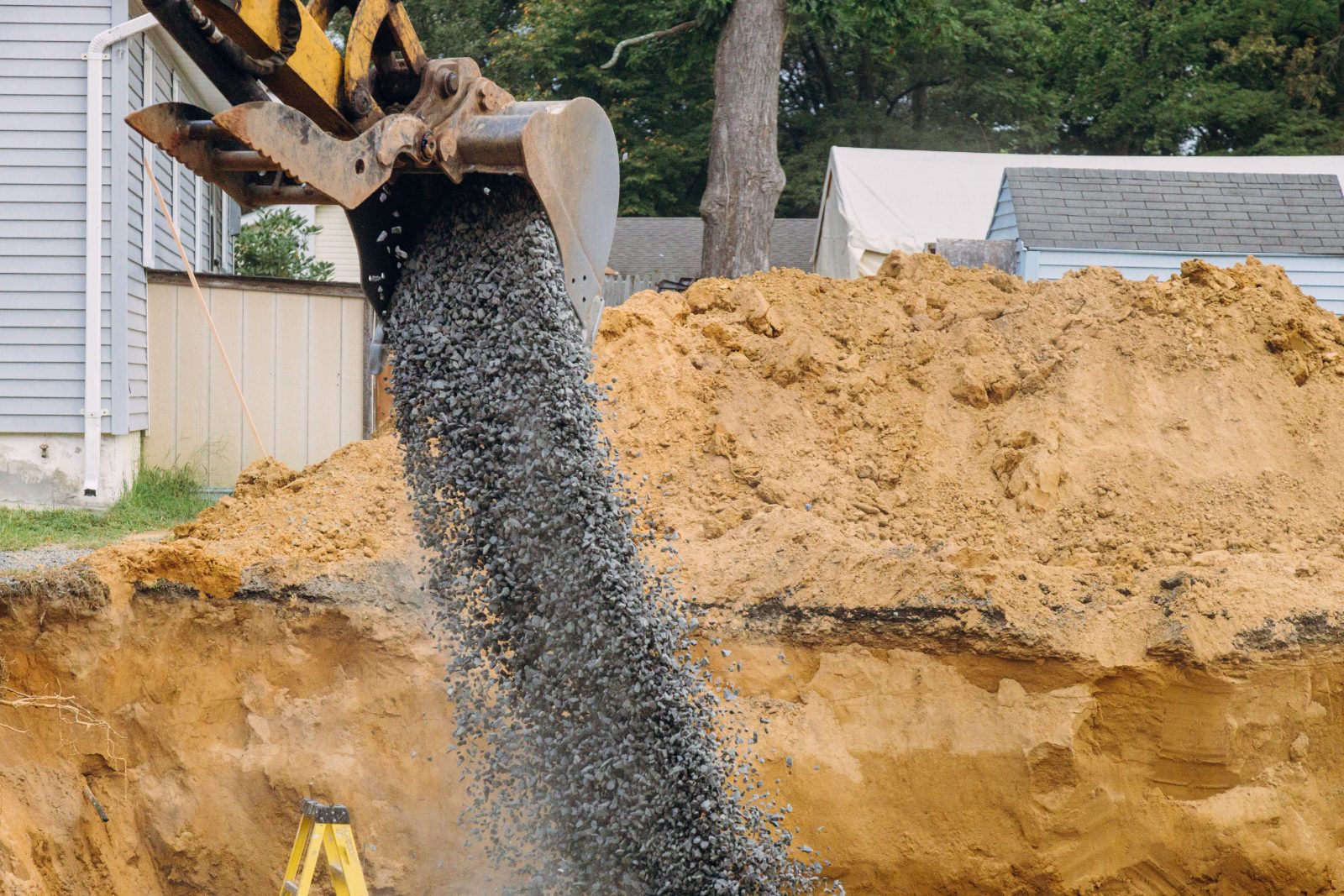
The septic tank is installed in an approved location with appropriate access for future pumping and maintenance. Tank capacity is determined by applicable requirements and the planned use of the home. Excavation conditions matter. Rocky soil, narrow access roads, steep driveways, and existing landscaping can affect equipment access and installation costs.
The drain field is where wastewater receives further treatment through the soil. Its location and design must match the approved plans and the property's soil conditions. Some properties may need specialized drain field designs or additional treatment equipment. An aerobic treatment unit may be considered where site conditions and applicable rules call for advanced treatment.
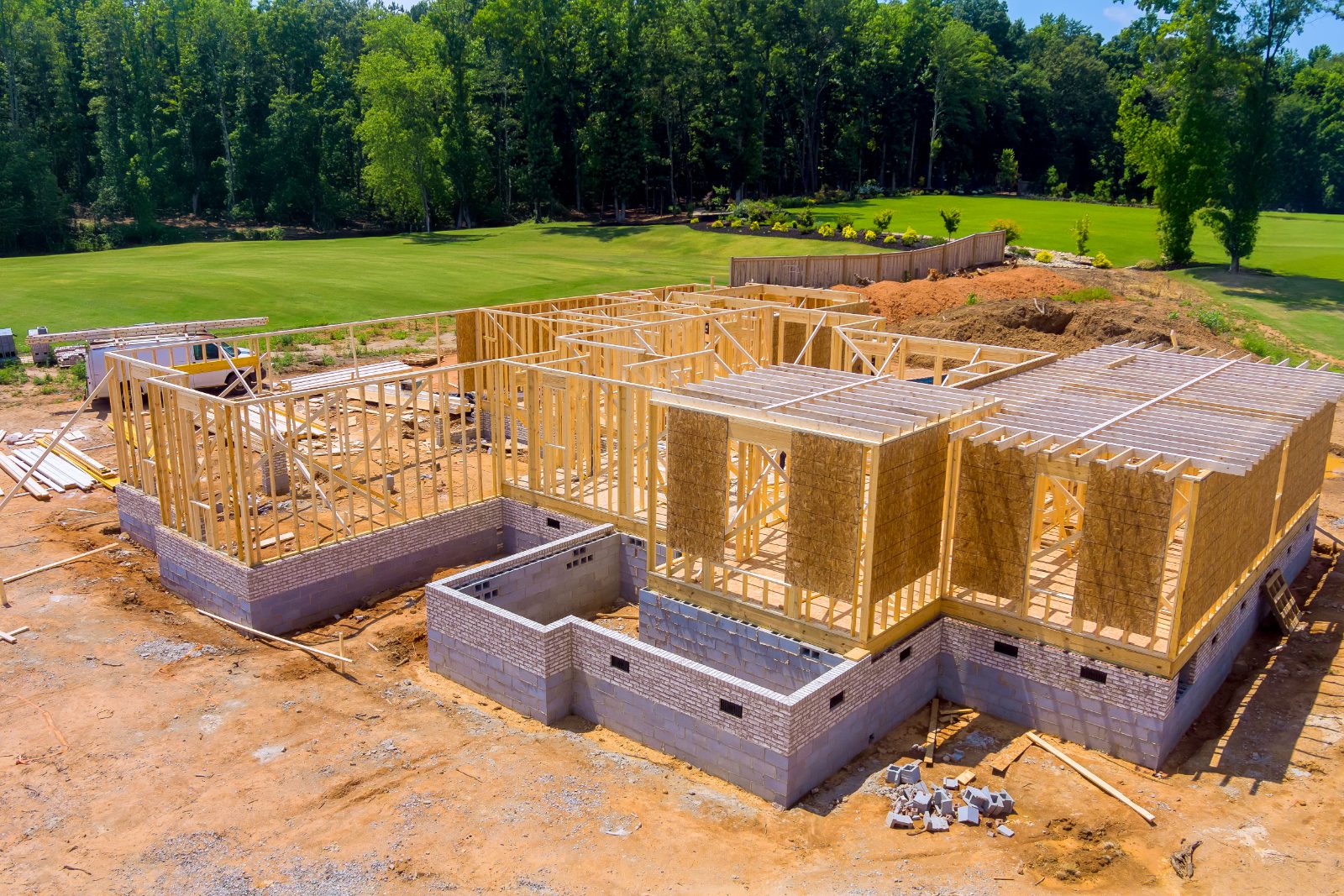
Required inspections help confirm that the installed system meets the approved design and applicable requirements. The installer coordinates inspection timing before covering components that must remain visible. After approval, the work area is backfilled and graded as appropriate. Homeowners should keep system records and avoid driving or building over the tank and drain field.
| Service | Estimated Cost | Average |
|---|---|---|
| Conventional residential septic installation | Often roughly $6,000–$15,000 or more | Site-specific |
| Challenging or sloped-lot installation | Often $12,000–$25,000 or more | Site-specific |
| Advanced or aerobic treatment system | Often $15,000–$35,000 or more | Site-specific |
| Soil evaluation and design-related work | Several hundred to several thousand dollars | Scope-dependent |
These are broad planning ranges, not verified local quotes or promised prices. Actual costs may fall outside these ranges. Soil testing, excavation, rock removal, permits, engineering, equipment access, system size, and required treatment technology can substantially change the total. Ask whether the written estimate includes all testing, permits, materials, installation, inspections, and final grading.
We help property owners find appropriately licensed septic installers serving Jasper and surrounding communities.
Understand the basic installation process before requesting estimates.
We recognize that slopes, rocky soil, and limited usable land can affect system selection.
A qualified installer should evaluate your property and provide a written estimate based on actual conditions.
Planning a new home or replacing an old septic system? Request a connection with a licensed local installer serving Pickens County.
Free — no obligations
Tell us where your property is located, whether you're building or replacing a system, and what information you already have.
A qualified local professional evaluates the lot and coordinates necessary soil testing.
The project proceeds through the applicable county environmental health permitting and design approval process.
The selected contractor installs the approved system according to the project requirements.
The installation is inspected as required before final covering and completion.
The work area is finished, and the homeowner should retain permits, system plans, and maintenance information.